
Fingerboard Stories
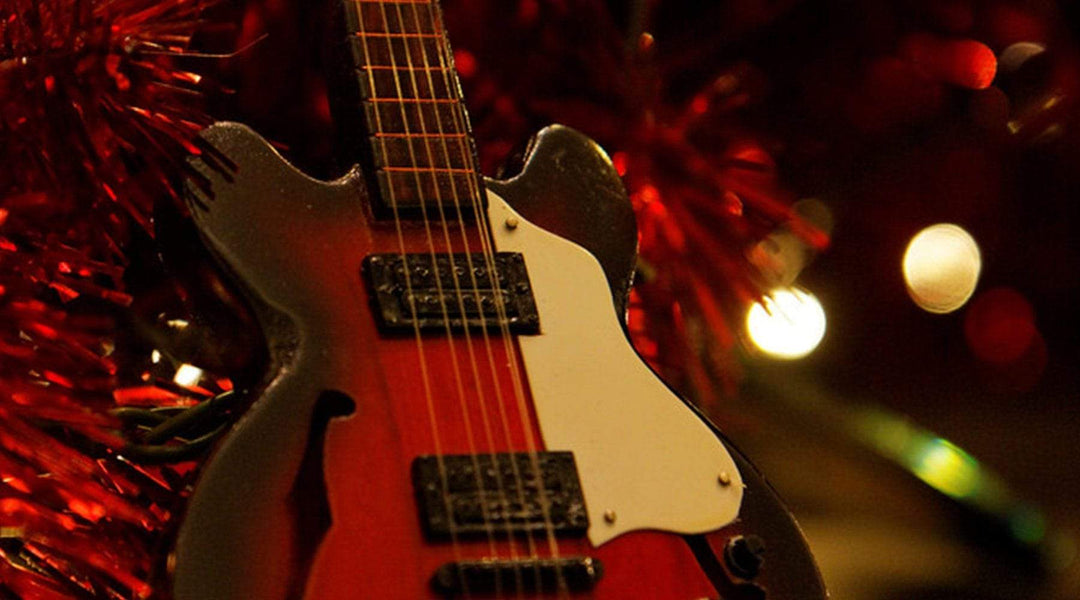
Why won’t your partner buy you a guitar for Christmas? Probably because she thinks you own too many of them. You can try and justify it all you want: “I keep that one in DADGAD. That one’s a parlor guitar, that one’s a dreadnaught. Strats sound different to Les Pauls!”
Unfortunately, though, none of this will fly. As far as she’s concerned, “too many guitars” is less than the amount you currently have.

When we think about Thanksgiving, we think about the festivities. Turkey and Cranberry sauce, Thanksgiving day football, Macy’s Thanksgiving Day Parade – you know what we mean. But, at its core, Thanksgiving is about, well, giving thanks. And that goes for us guitarists as well. Here at Thalia, we’re been thinking about the guitar-related things to be thankful for this holiday season. These are some of our observations.
“When I picked it up, I was completely humbled. It was a shock-and-awe moment. It changed everything I’d ever thought about acoustic guitars leading up to that point… It was the most amazing acoustic guitar I’d ever played or heard.”
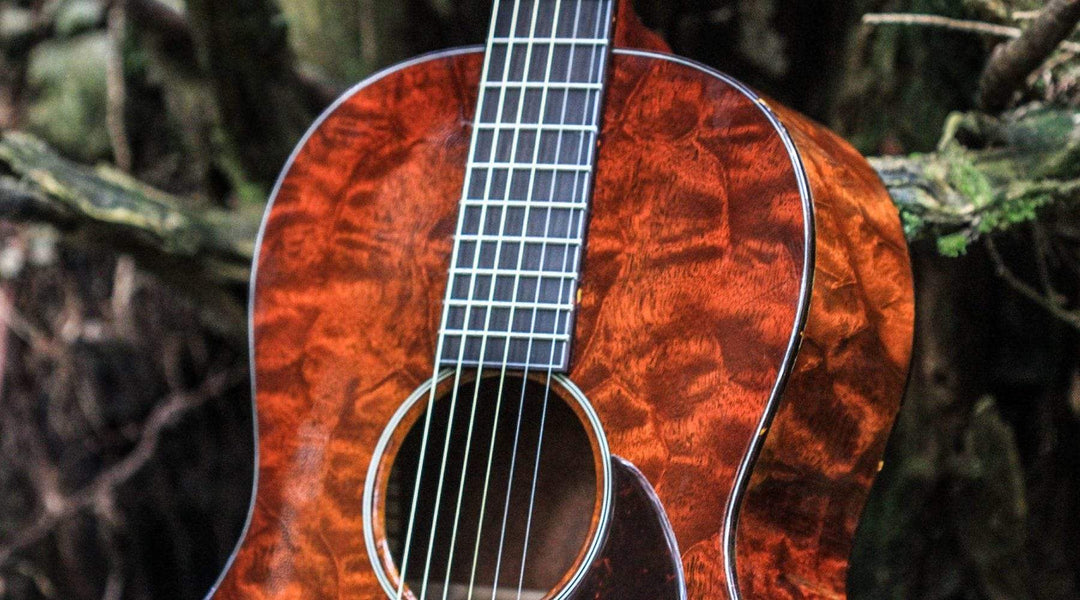
“The Tree” is something of a legend in guitar luthier circles. It’s the source of a mythic, unusually dense, centuries old mahogany that’s uniquely quilted, uniquely beautiful, and coveted by master guitar builders and their rock star clients. If you want a guitar made from this legendary wood though, it’ll come at a price – somewhere in the region of $30,000 to $40,000. But what is “the Tree,” and where did it come from? Read on and find out…
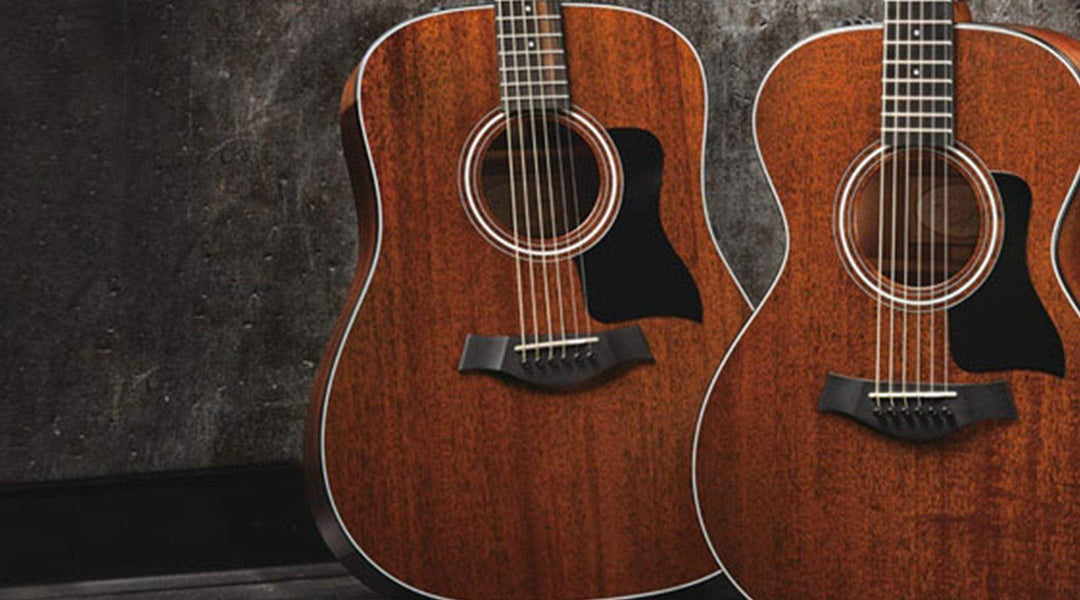
When it comes to tonewood, mahogany carries some serious weight in the guitar world, both literally and metaphorically.
A mainstay in both acoustic and electric guitar manufacturing, it’s been used to make some of the most iconic instruments of all time. And, it’s prized in lutherie for both its aesthetic and sonic properties.
Today, we’re getting to grips with mighty mahogany; its varieties, its tonal characteristics and its sustainability.

When you think about British guitar heroes of the late 1960s and early 1970s, a few names are likely to crop up:
Jimmy Page; Eric Clapton; Jeff Beck; Keith Richards; George Harrison; Peter Green.
We’ll call these guys the usual suspects.
Richard Thompson, however, is not a usual suspect.