
Fingerboard Stories
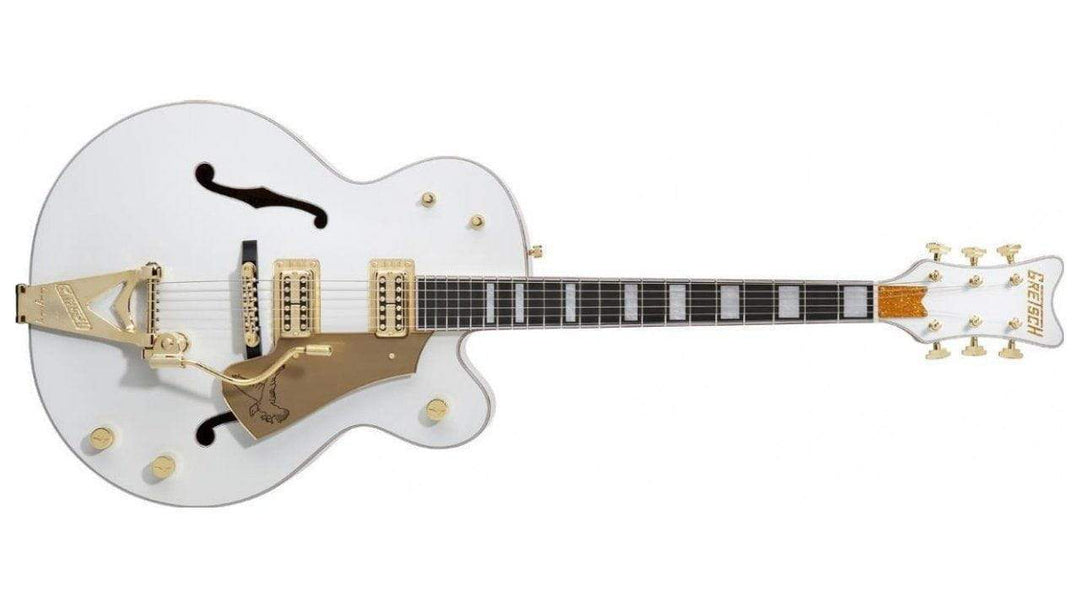
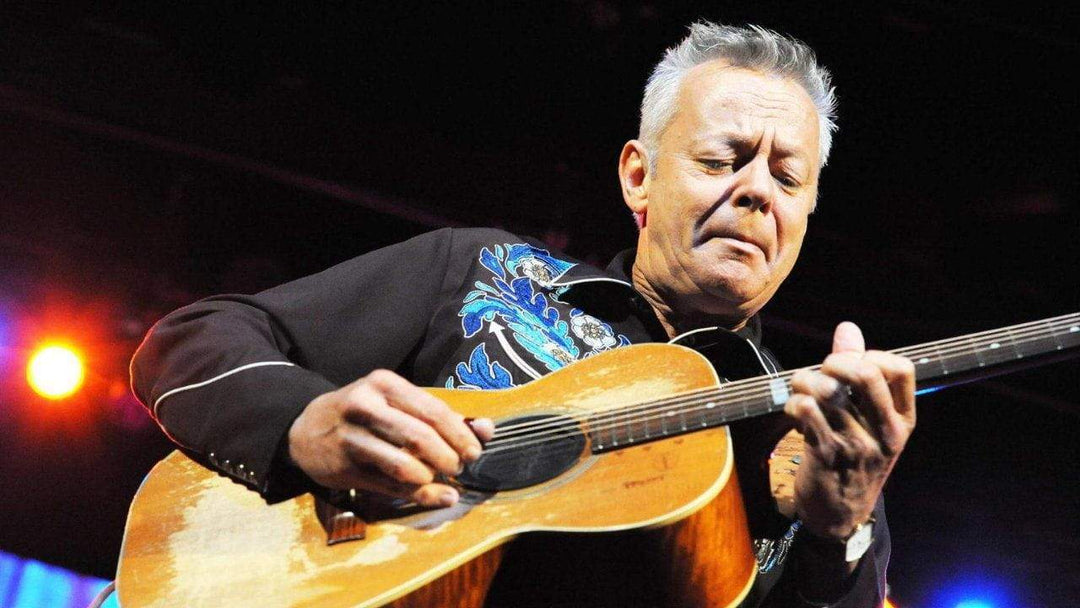
Part two of our interview with Tommy. Read on to hear about what he is listening to now, his thoughts on electric vs. acoustic and more.
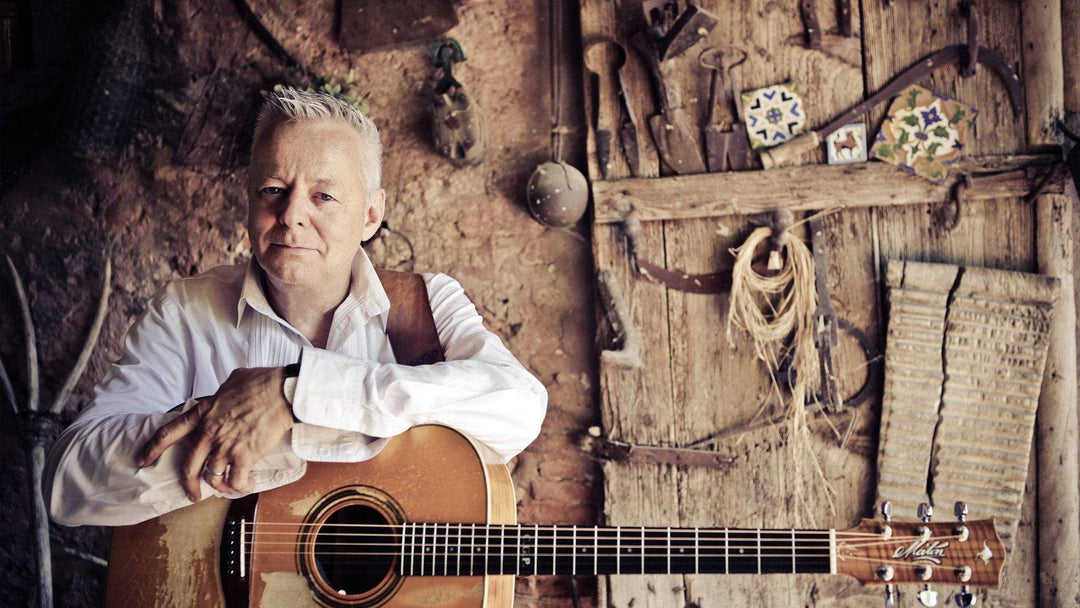
At the tail end of last year, Thalia Capos had the privilege of talking to the legendary Tommy Emmanuel while he was on tour with Jerry Douglas. Over the course of an hour, we got into everything from Chet Atkins to YouTube stardom.

It’s the most wonderful time of the year… Or so the saying goes. And hey, we can’t deny that we’re big fans of the holiday season here at Thalia capos.
But, we do have a bit of a bee in our bonnet when it comes to the Christmas season, and that’s Christmas music. For six-string aficionados, typical holiday music fare can be a bit of a bummer. The mighty guitar tends to play a supporting role in popular seasonal songs. Tis the season to be jolly? Sure. The season to shred and strum? Not so much. So what can you do about it?
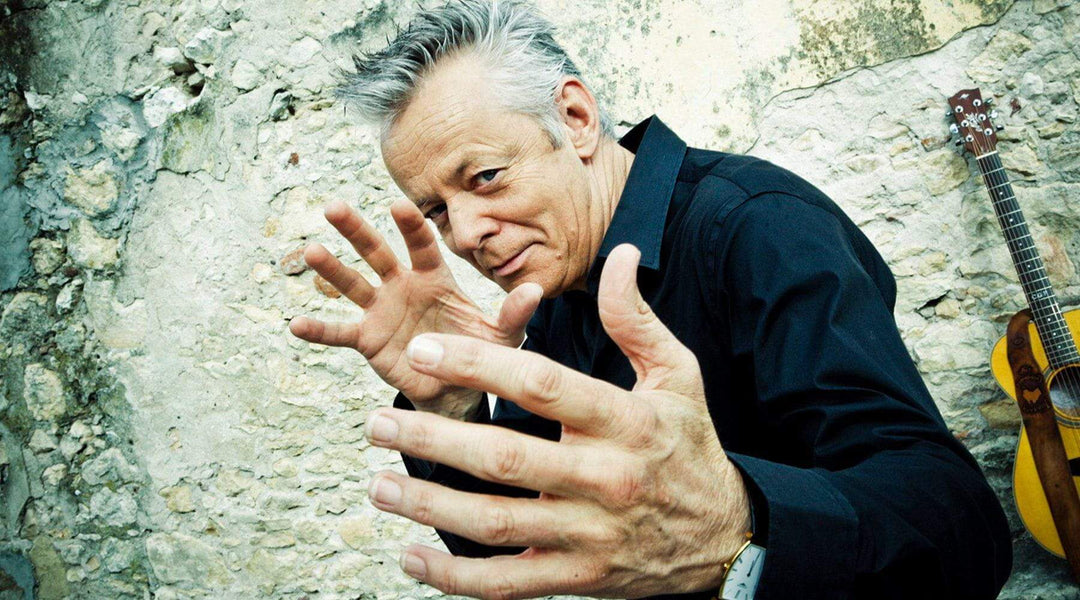
Back in August, the Thalia community voted Mr. Tommy Emmanuel as the greatest fingerstyle guitarist of all time. It’s not at all surprising. As we’ve already stated a couple of times in this blog, Emmanuel is as complete a guitarist as you’re likely to find. He’s got style, he’s got flair, and he’s got an undeniable sense of melody and musicality that makes him a joy to listen to. For today’s blog post, then, we’ve decided to compile a list of our favorite Tommy Emmanuel quotes.